MI PATRIA NATAL: Conversations of Mixed Cultural Heritage and Diasporic Nationalism
A project by Jacoub Reyes in collaboration with
The Center for Puerto Rican Studies at Hunter College
and Museo de Arte Contemporáneo de Puerto Rico
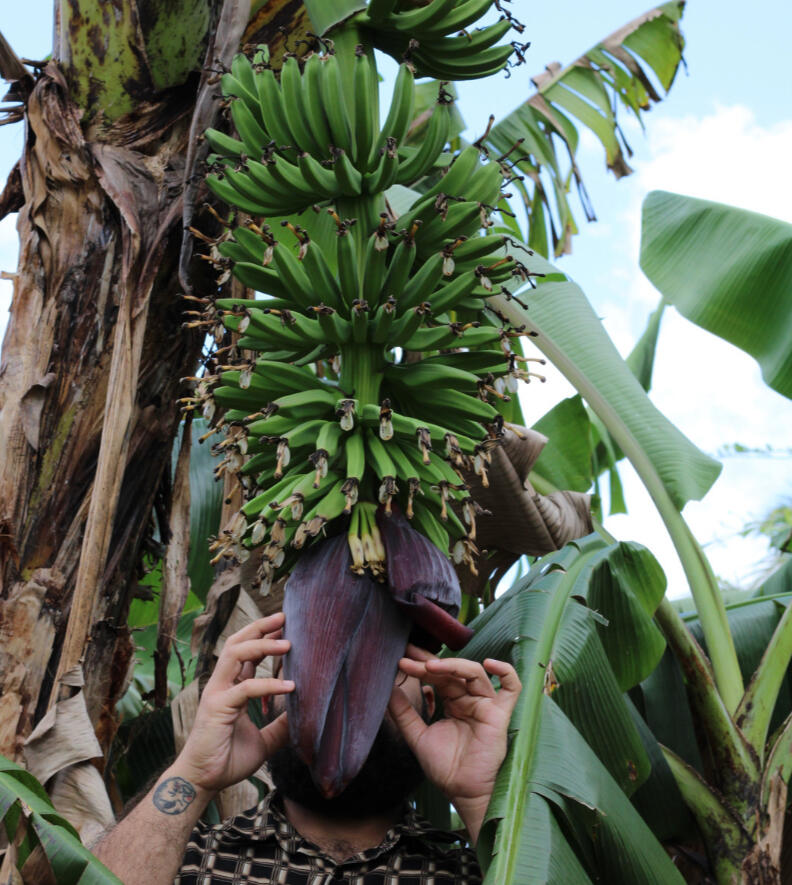


ART & RESEARCH
Click on the boxes below to learn more about each influential Puerto Rican figure and to take a look into their archives.


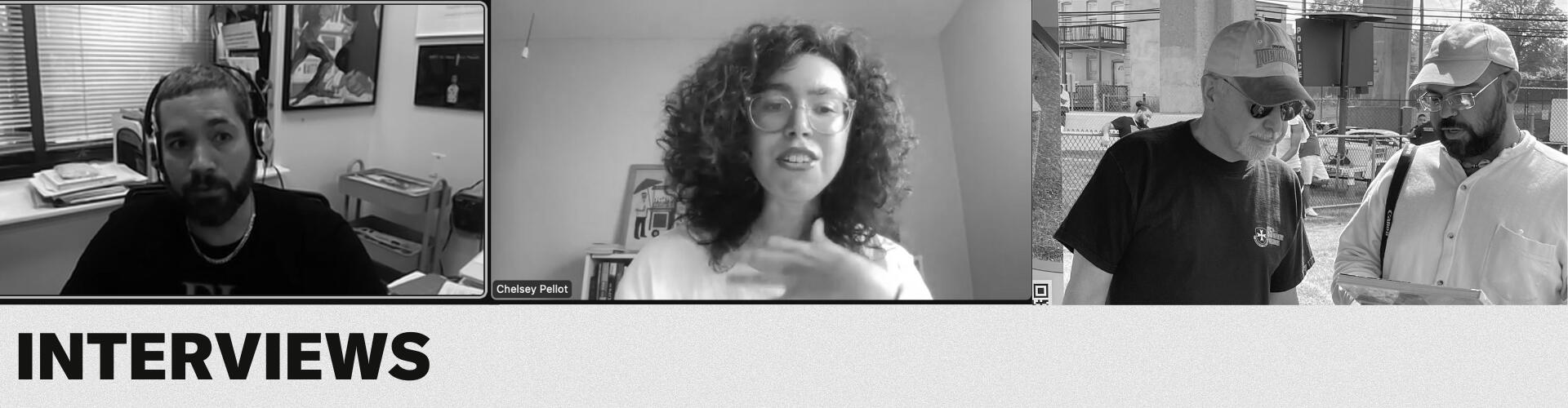
Each segment of this site (except Jacoub Reyes' Art and Research, 2023 Puerto Rican Day Parade and Counter Archiving Nana's Apartment) contains information and images from the CENTRO Archives. All copyrights belong to either CENTRO or the artist's themselves.
RESISTANCE
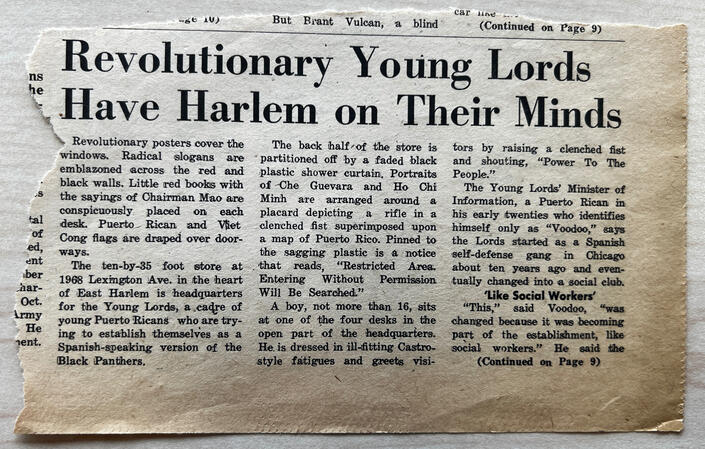
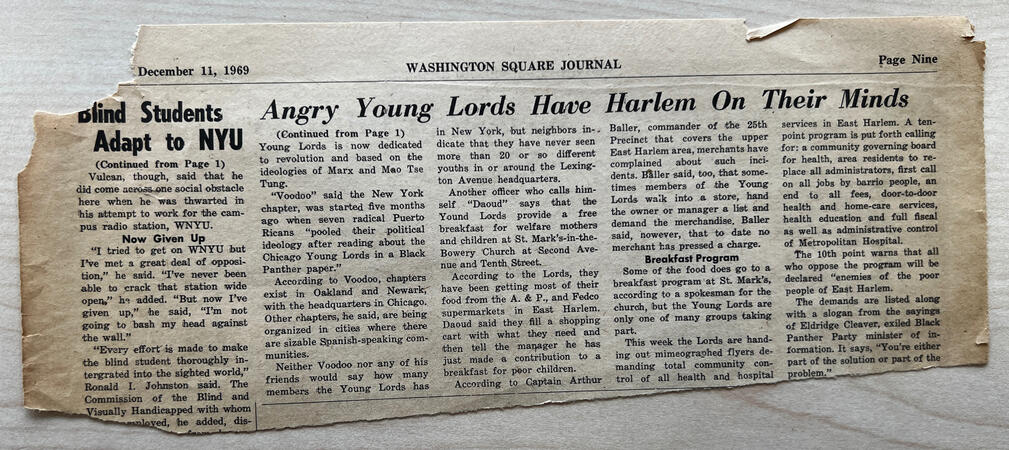
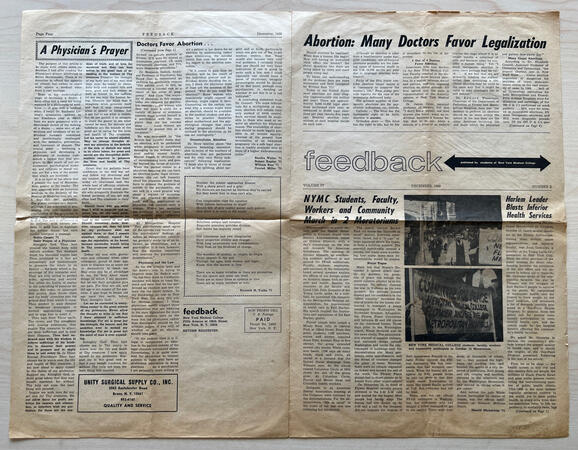
Iris Morales is a lifelong activist and organizer for social justice, racial equality, women’s rights, and the decolonization of Puerto Rico. She collaborates closely with activists, artists, and writers to build on this experience and bring new projects to fruition. Her documentary "¡Palante, Siempre Palante!" surveys Puerto Rican history, the Young Lords' activities and philosophy, the end of the organization and its legacy.The Young Lords was a civil and human rights organization which aimed to fight for neighborhood empowerment and self-determination for Puerto Rico, Latinos, and colonized people. disbanded due to a variety of issues, the main one being destabilized by the government.Reyes drew inspiration from Morales' papers which included grassroots movements, educating through art outreach, and becoming a pillar in her community while raising awareness of the Young Lords and their efforts to an international audience. He was especially moved by the poems and letters written to Morales from various people in and out of correctional facilities and her advocacy for women's rights.
SELECT PAPERS FROM THE IRIS MORALES ARCHIVES
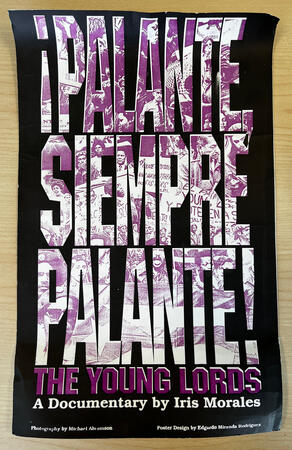
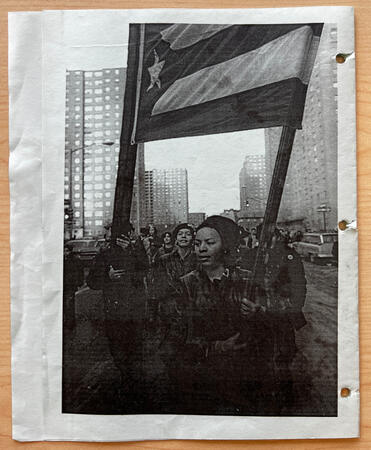
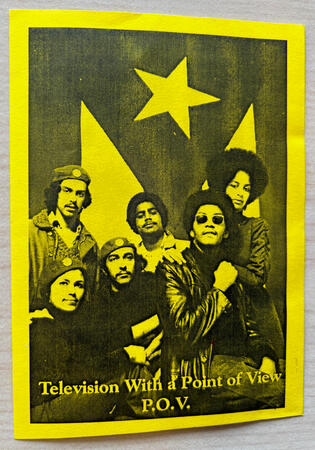
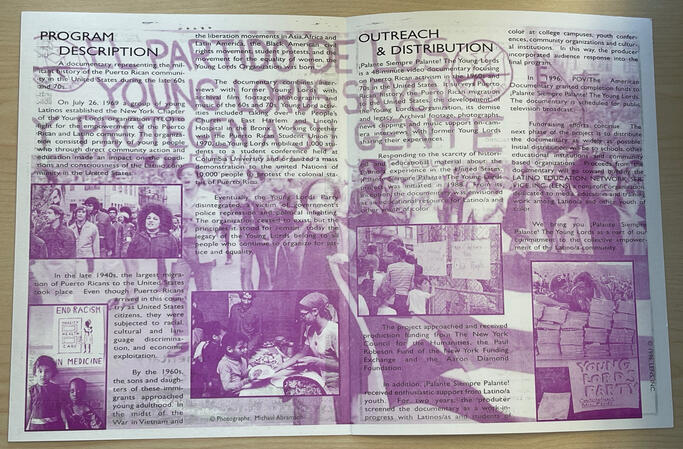
IRIS MORALES PAPERS
ADDITIONAL RESOURCES
ADVOCACY FOR HUMAN RIGHTS
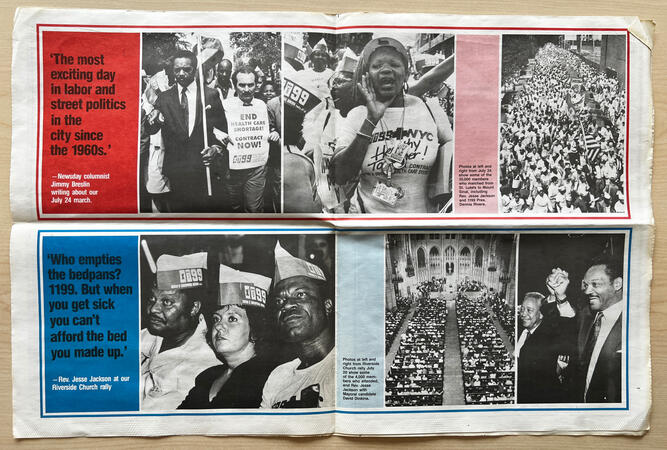
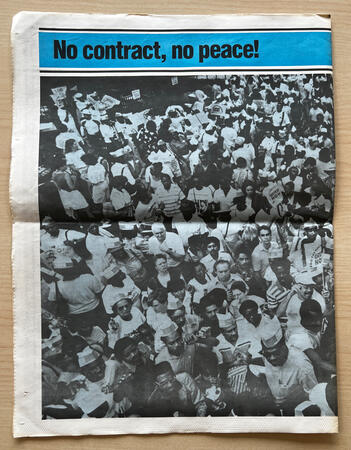
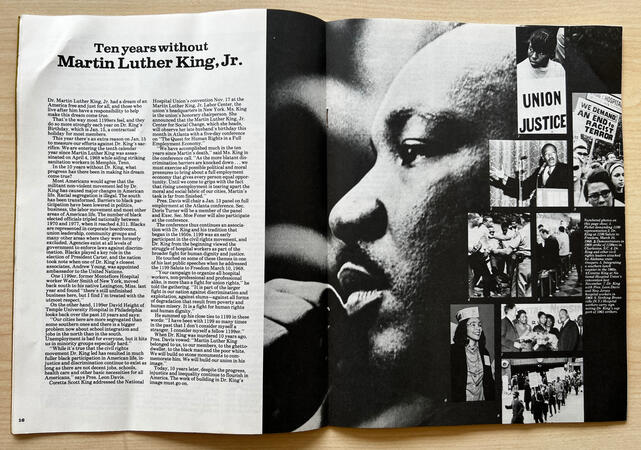
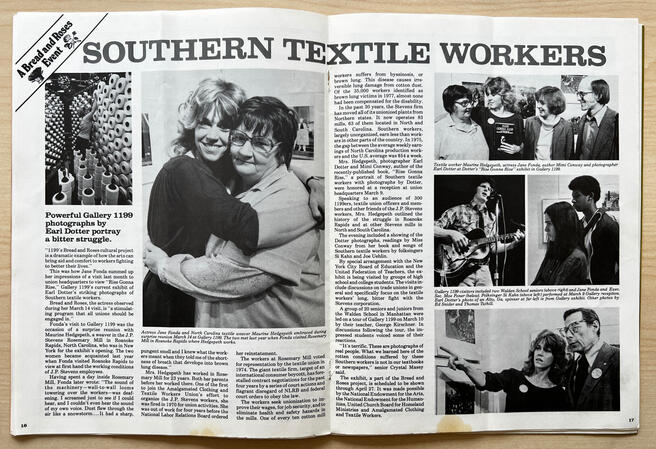
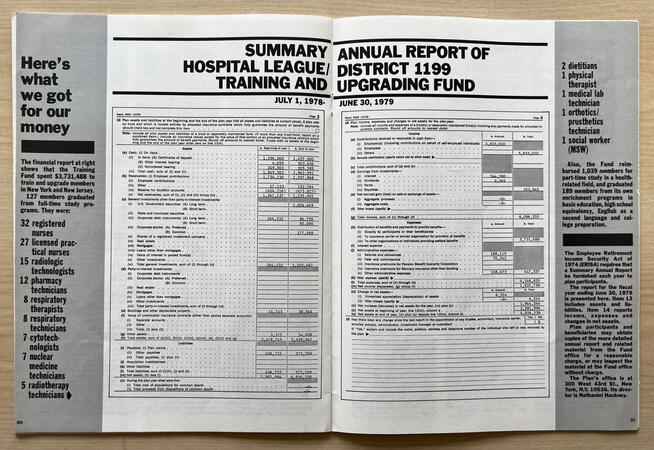
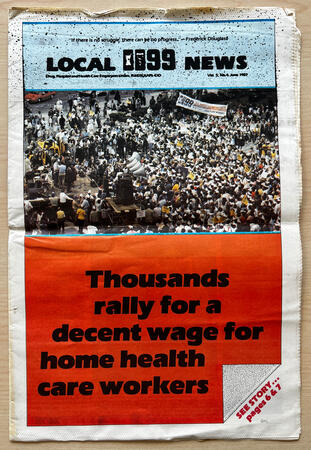
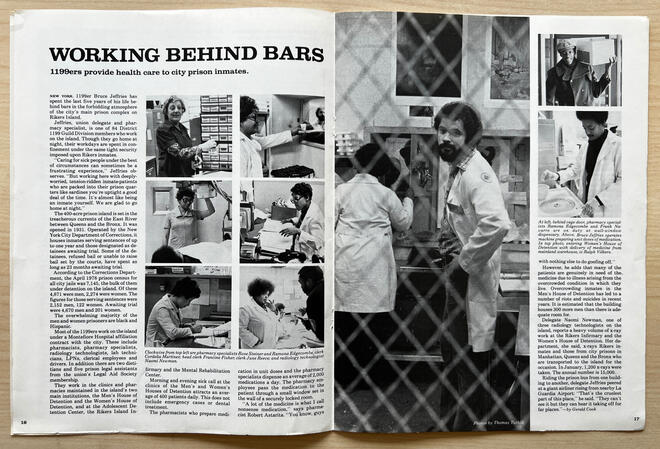
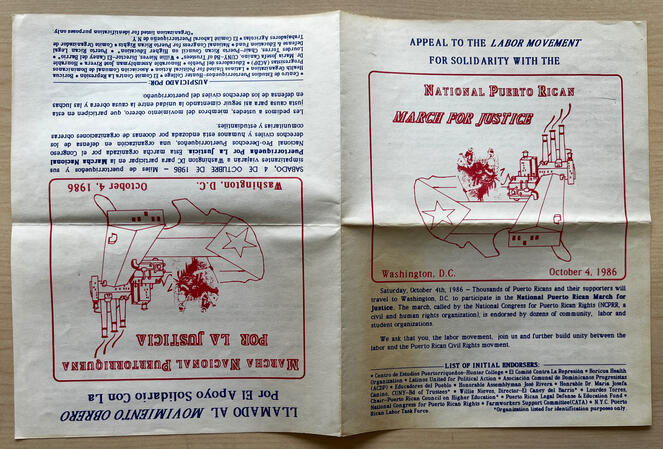
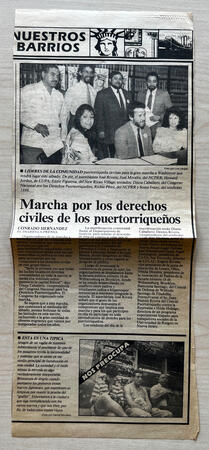
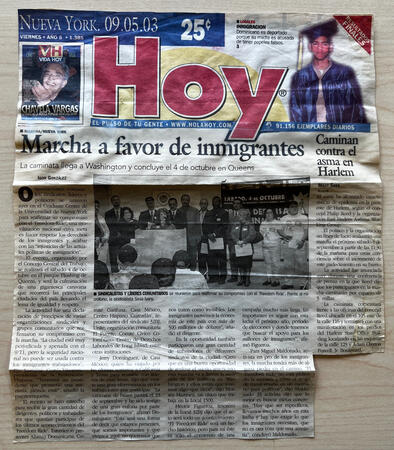
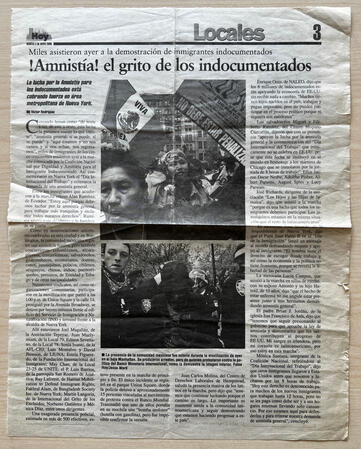
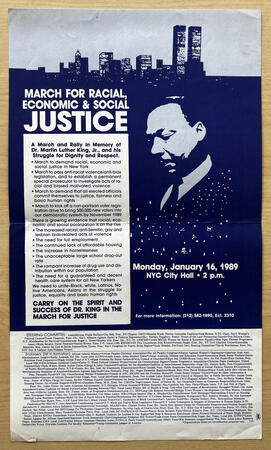
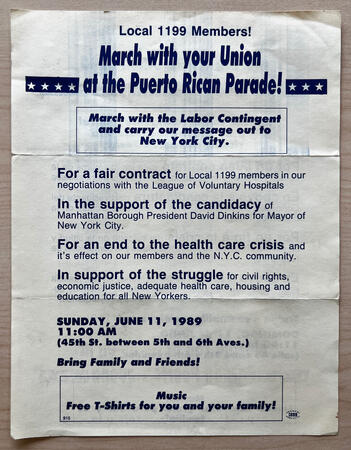
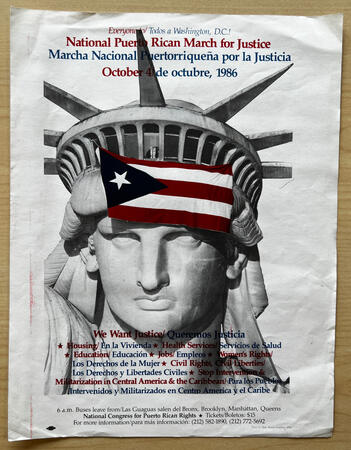
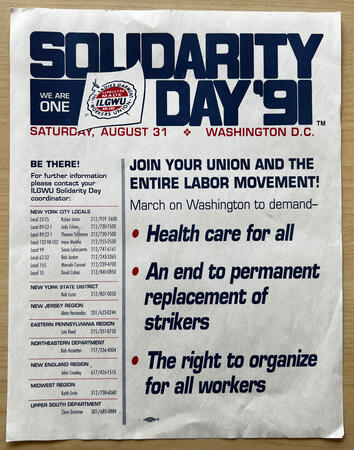
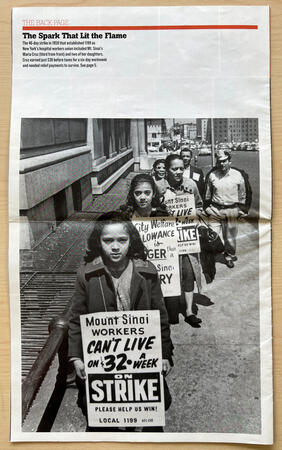
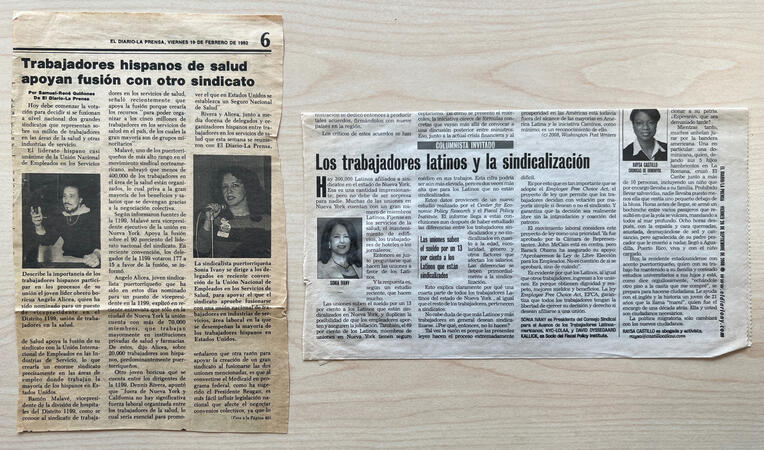
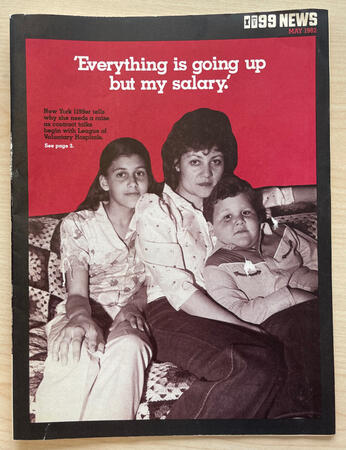
Sonia Ivany is the President for Latin American Advancement in the New York City Labor Council. She represents the interests of Latino/a trade unionists in the United States and Puerto Rico.Ivany works with the labor movement, elected leaders, and community organizations on issues pertaining to advocacy, labor rights, and key issues for working families and the Latino/a community. These issues also include immigration reform, voting rights and registration, social and economic justice, labor education, and youth outreach.She creates activities that aim to educate, organize and mobilize Latinos in the labor movement to positively impact workers' rights and their influence in the political process.
SELECT PAPERS FROM THE SONIA IVANY ARCHIVES
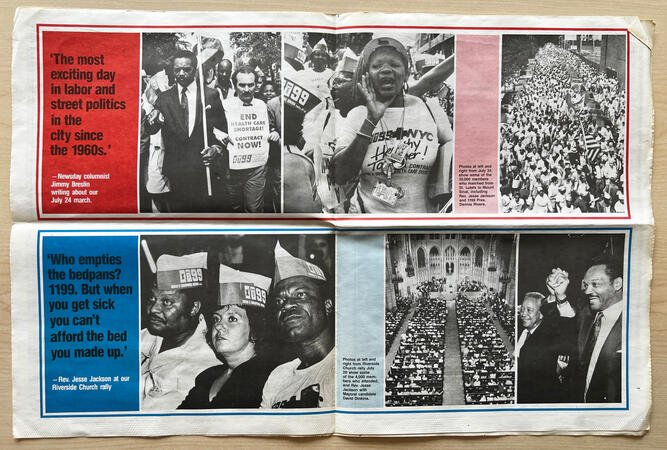
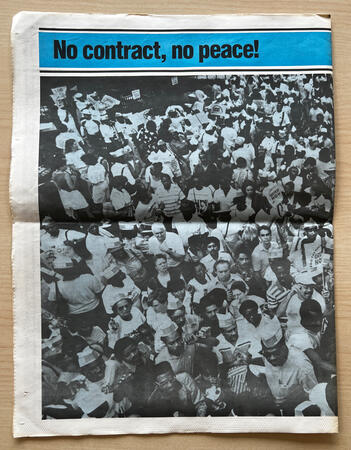
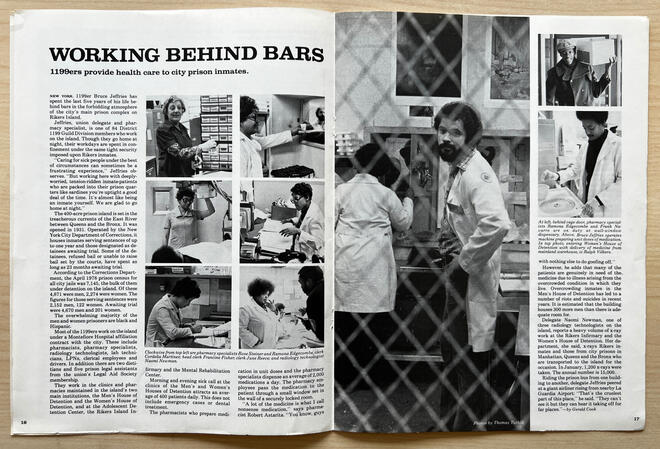
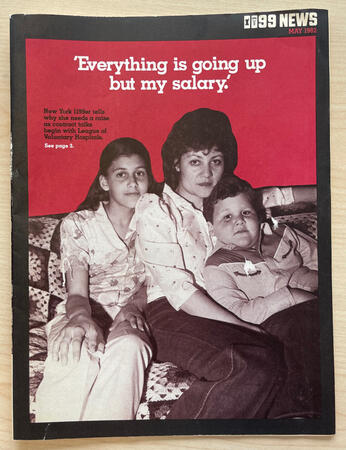
SONIA IVANY PAPERS
DOCUMENTING DIASPORA
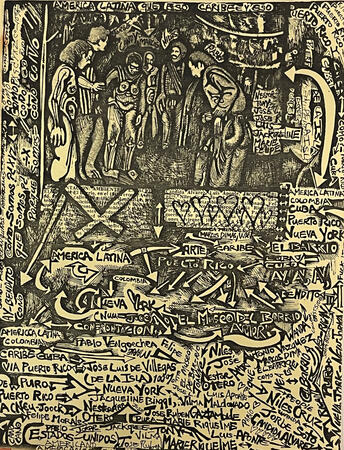
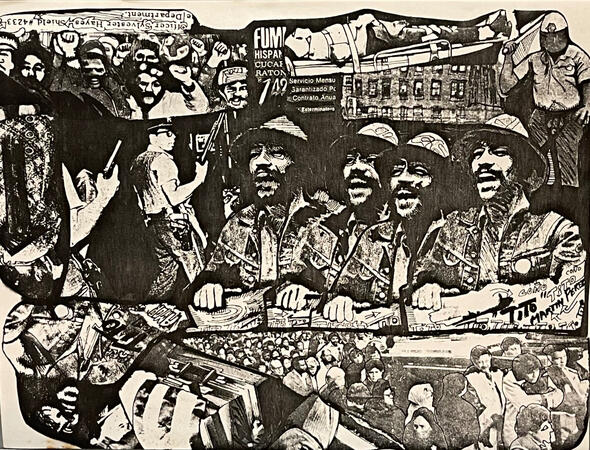
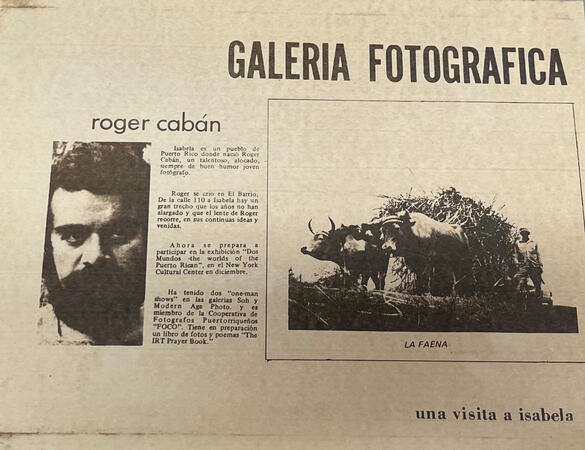
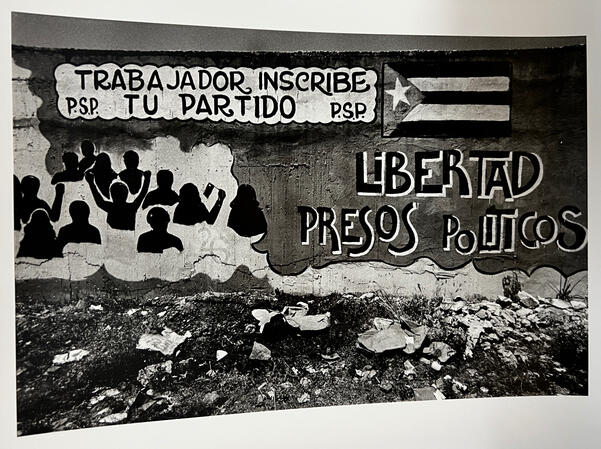
Roger Cabán was born in Puerto Rico but moved to New York City as a child. He spent his career photographing both Isabela, Puerto Rico and Manhattan, New York.As a self-taught photographer and full-time social worker, Cabán was active in community-based organizations and activism. He created community cultural organizations like the writers collective La Nueva Sangre and is the co-founder of En Foco, an initiative created to provide more support to photographers of African, Asian, Latino, Native American and Pacific Islander heritage.
SELECT ITEMS FROM THE ROGER CABÁN PHOTOGRAPH COLLECTION
ROGER CABÁN PHOTOGRAPH COLLECTION
CURATING & CRITIQUING
LATIN AMERICAN ART
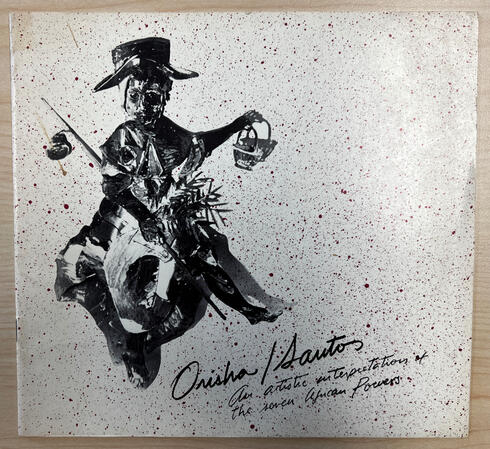
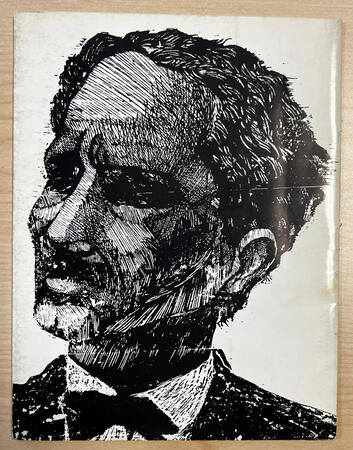
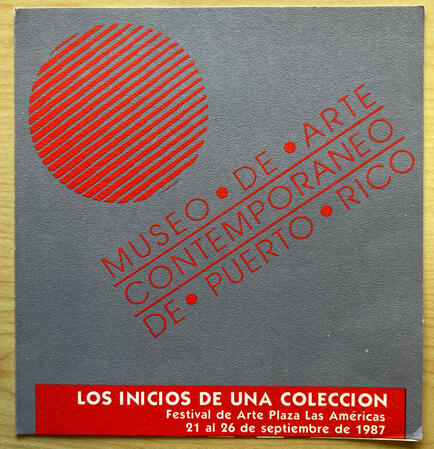
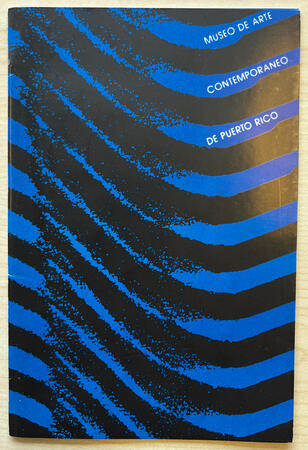
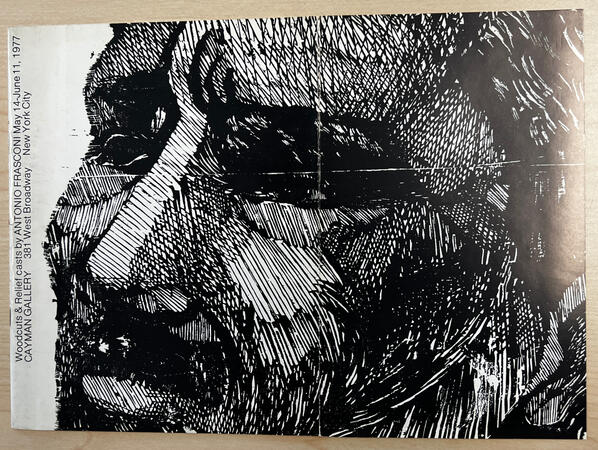
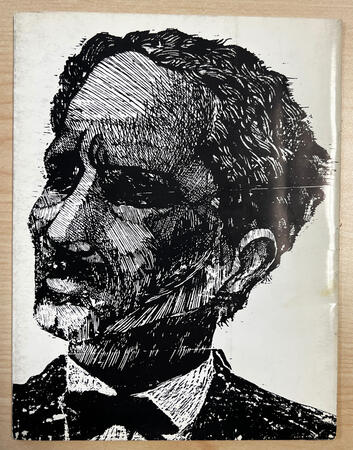
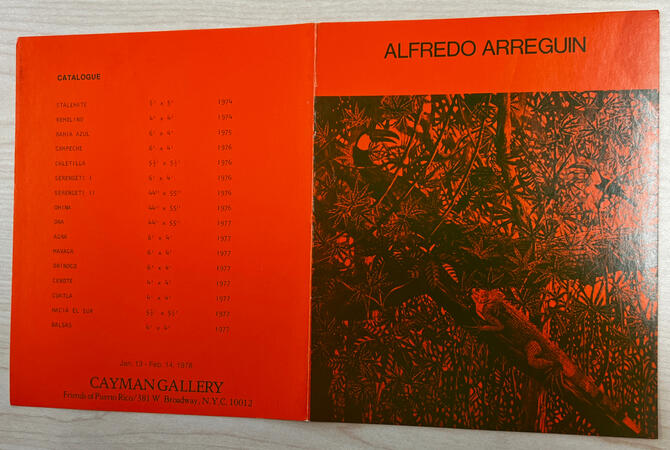
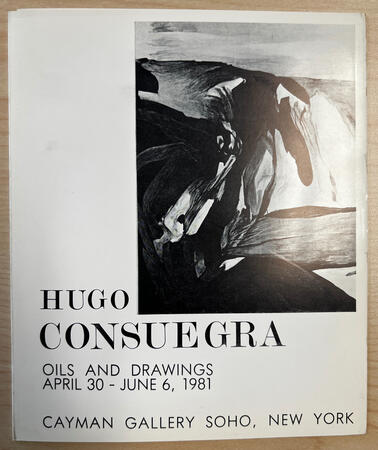
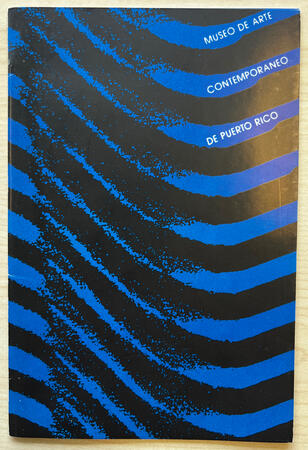
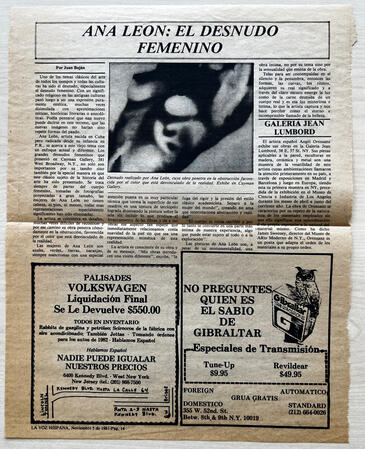
Susana Torruella Leval is the Director Emerita of El Museo del Barrio and major contributor to the introduction and development of Latin American art in the United States."I met a lot of contemporary Latin-American artists and started working with them. As I wrote their first essays about their work, or introduced their artwork to small galleries, my interest in contemporary Latin-American artists, and working with contemporary artists, grew exponentially. I also began to feel a great deal of satisfaction by returning to work related to my Latin American cultural roots."“My generation was by no means the first to work in Latin American art. Yet, during the “alternative” arts movement of the ‘80s, we made real progress in founding institutions, assembling exhibition programs, publishing catalogues, and providing primary scholarship in a way that the New York art world began to take notice,” she said. Susana thus became a leading participant of the spirited movement, with origins in the ‘60s, of fighting for the inclusion of artists previously marginalized from the mainstream arts canon."-Susana Torruella Leval
SUSANA TORRUELLA LEVAL ART CATALOGS COLLECTION
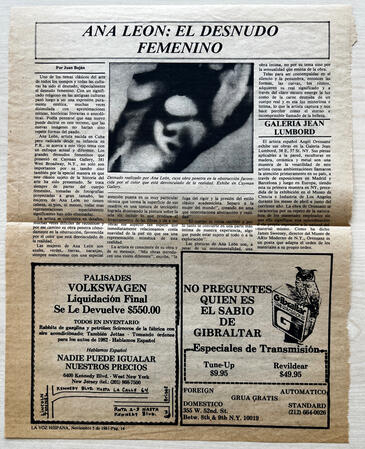
SUSANA TORRUELLA LEVAL ART CATALOGS COLLECTION
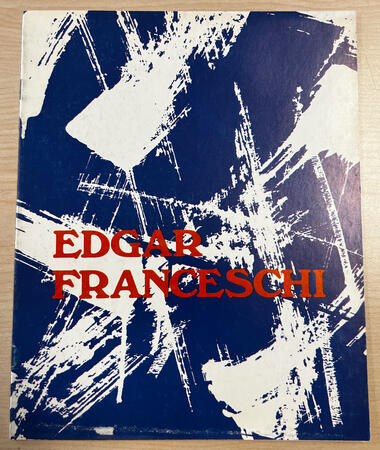
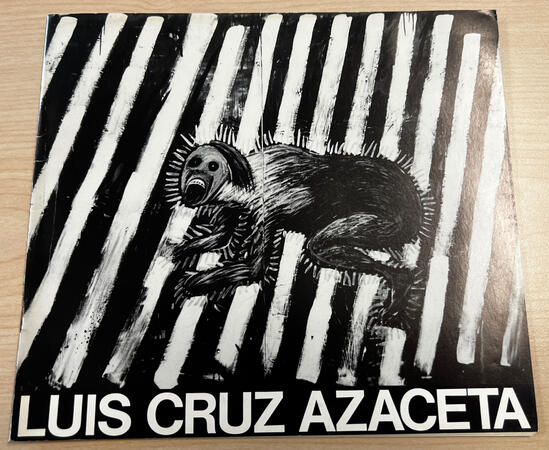
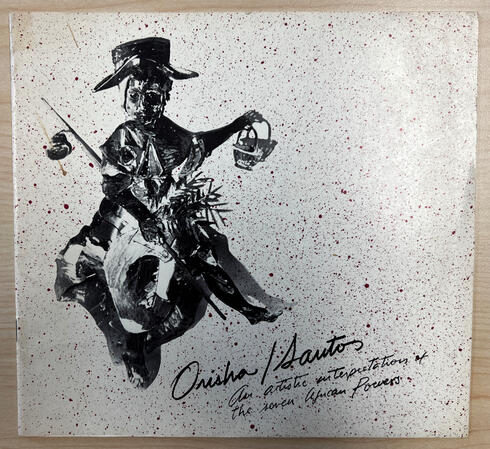
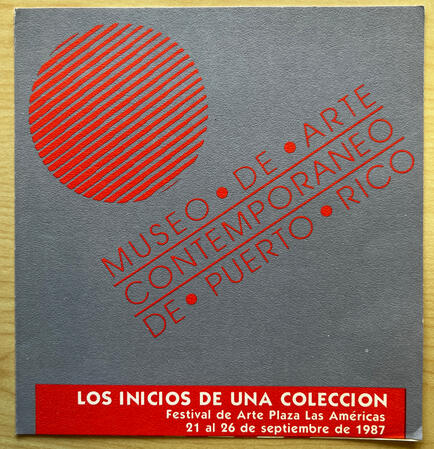
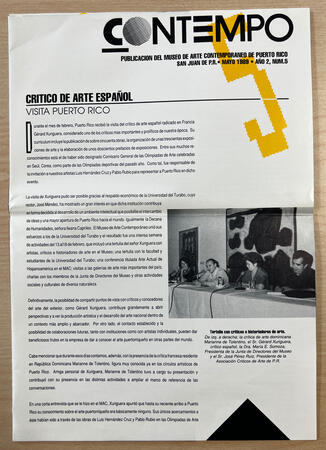
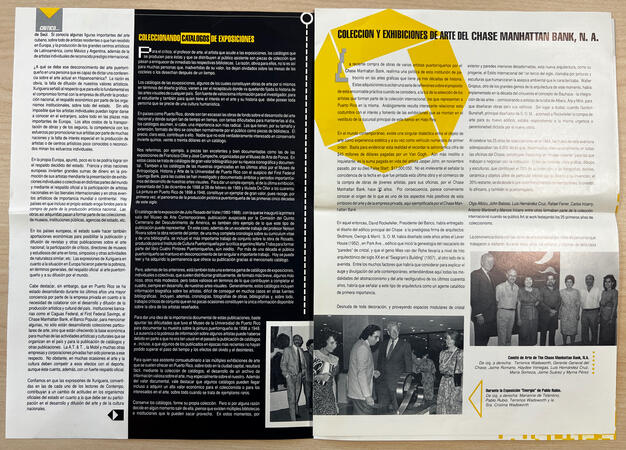
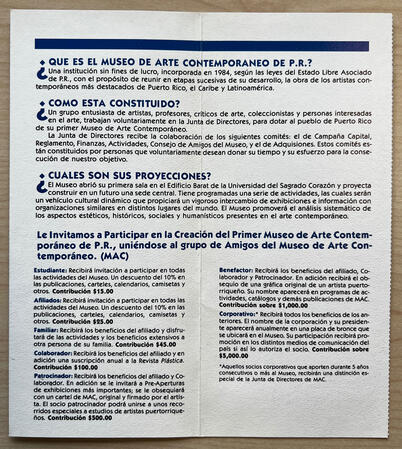
DISTINGUISHED PUERTO RICAN POSTER COLLECTION
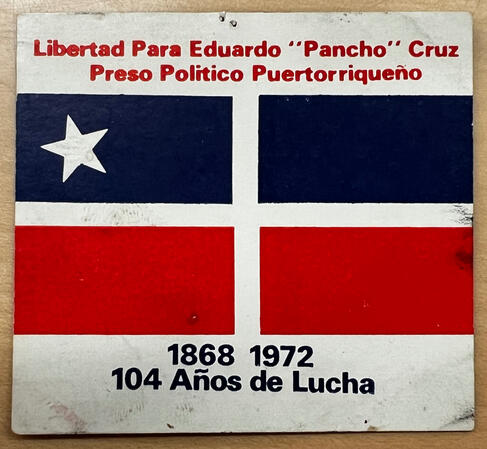
A vibrant, diverse, and extensive collection of posters, prints, and educational materials from artists and teachers. A variety of printmaking methods are used in the posters including lithography, silk screen, woodblock prints, and collagraphy. These were used to disseminate information, develop communities, and challenged the visual language in America.Reyes drew inspiration from the messages, colors, and other cultural contexts to include in the posters he created. Some reoccurring themes were prominent political figures like Ramón Emeterio Betances, Pedro Albizu Campos, Lolita Lebrón, and others. Many images included musical instruments, indigenous symbols, Grito de Lares flag, and the Jibaro trope.
SELECT IMAGES FROM THE DISTINGUISHED PUERTO RICAN POSTER COLLECTION
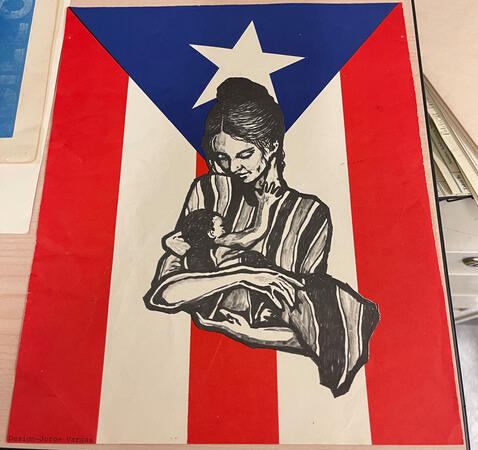
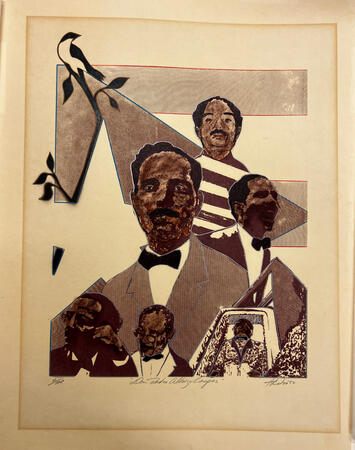
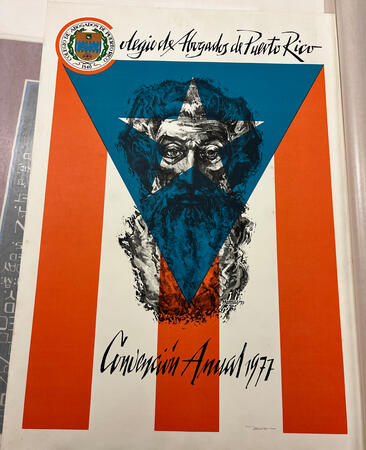
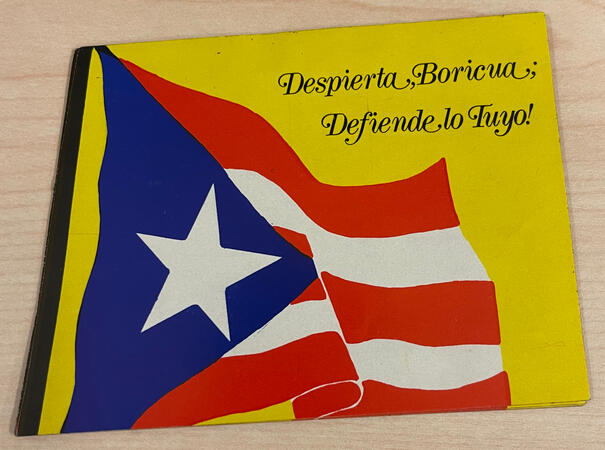
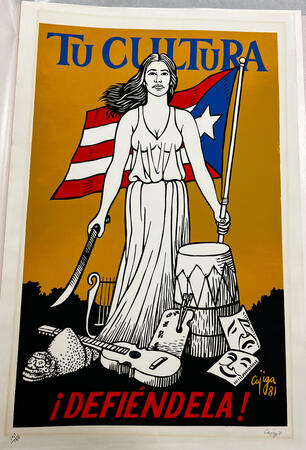
DISTINGUISHED PUERTO RICAN POSTER COLLECTION
SOCIAL DOCUMENTARY PHOTOGRAPHY
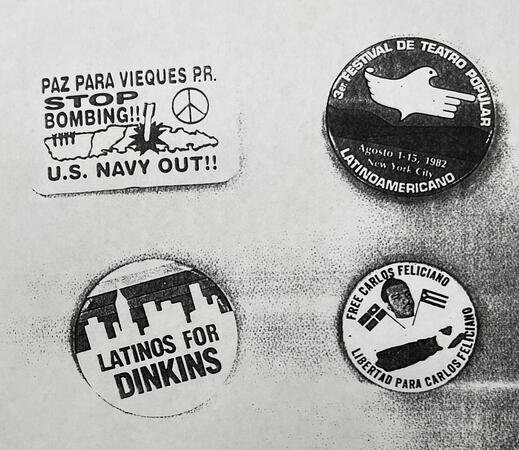
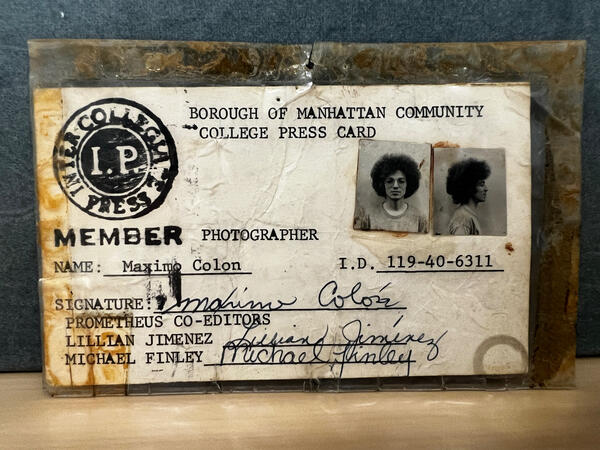
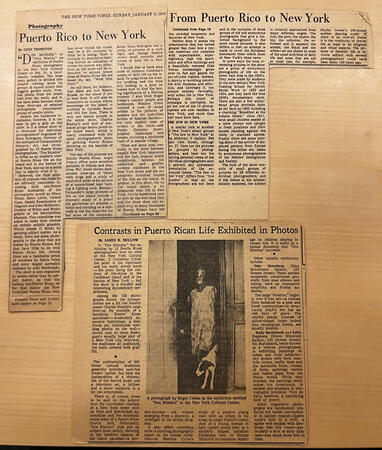
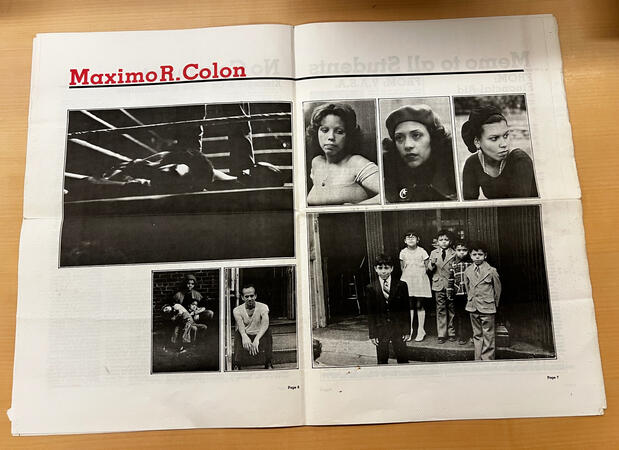
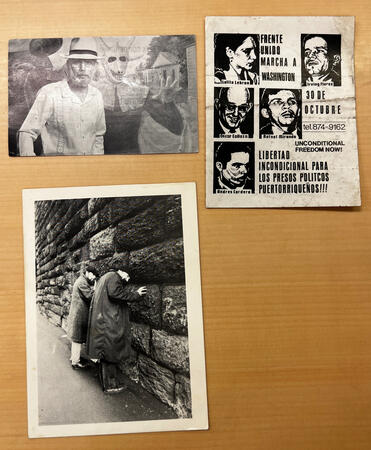
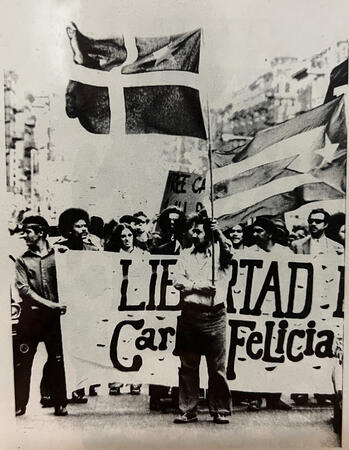
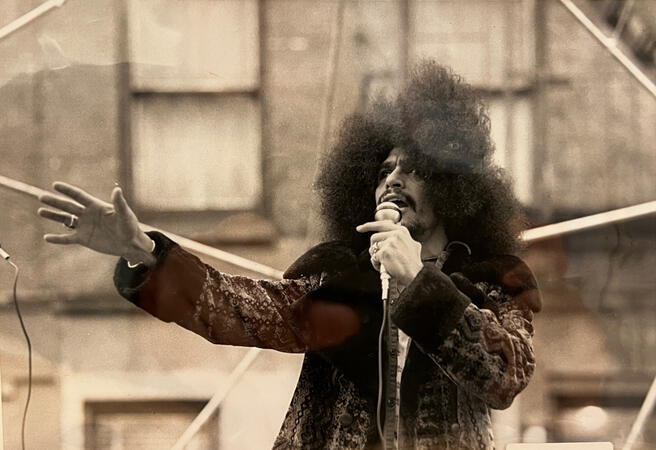
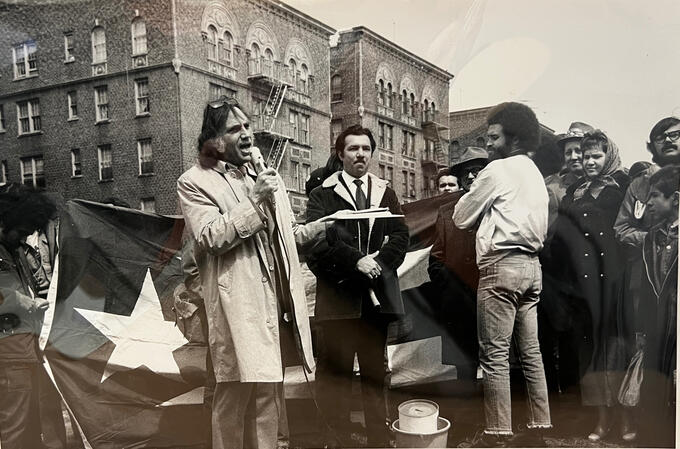
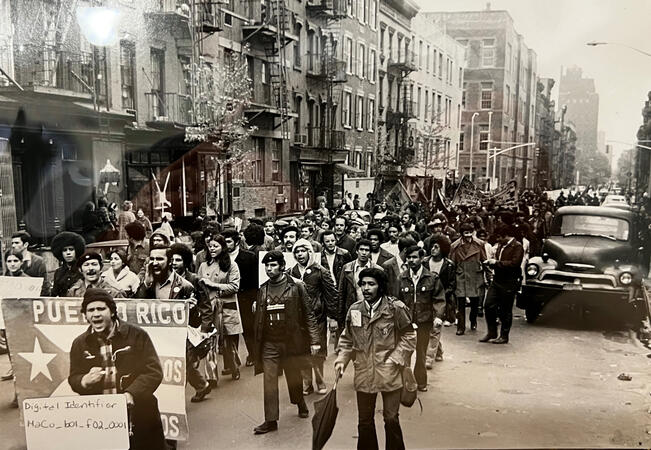
Máximo Rafael Colón's Photographs speak to his concerns of social justice, activism, cultural expression, and community empowerment. They encapsulate a wide range of interest in music, the human condition, and making visible the people of our society who are often marginalized through discrimination and inequality. His primary medium is analogue photography and he often creates assemblages in the found object tradition. His photographs are monuments to human solidarity, struggle, and endurance at their most frontal and intimate.They remind us that every social good is the outcome of repetitive, gradual, and loving labor.Reyes found these photographs informational and moving. They offered him a place to contemplate the current political and social situations and how action can be employed in a digital world.
MÁXIMO RAFAEL COLÓN PHOTOGRAPHIC COLLECTION
CHAMPIONING THE ARTS AND PUERTO RICAN ARTISTS
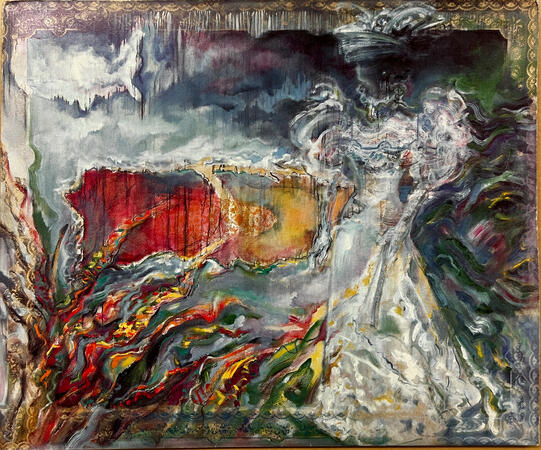
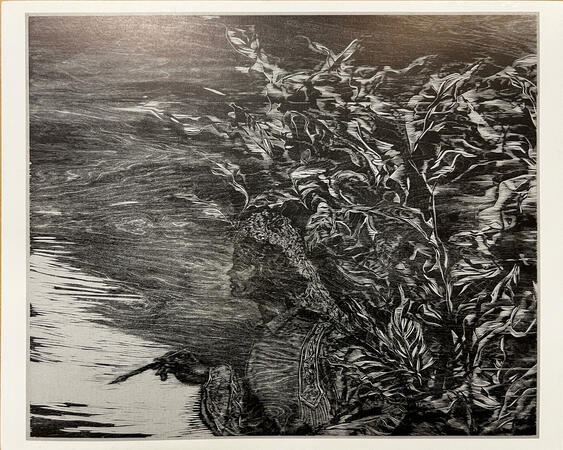
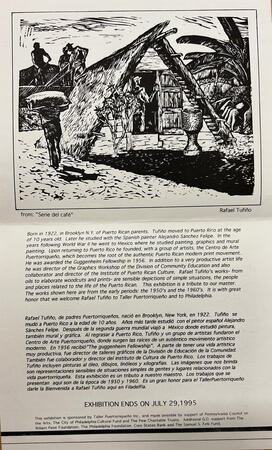
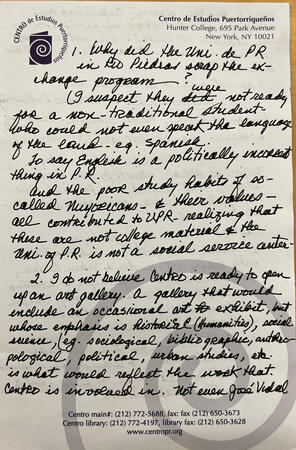
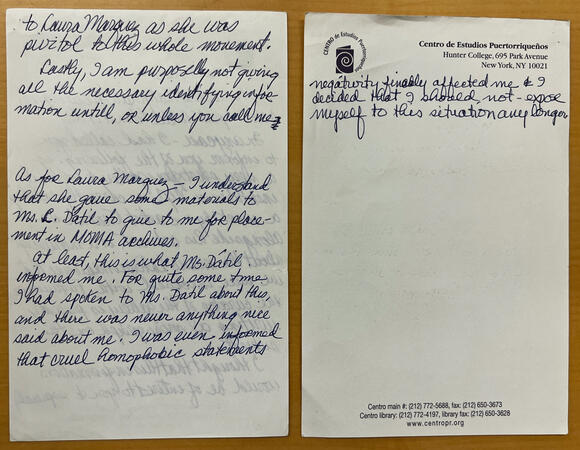
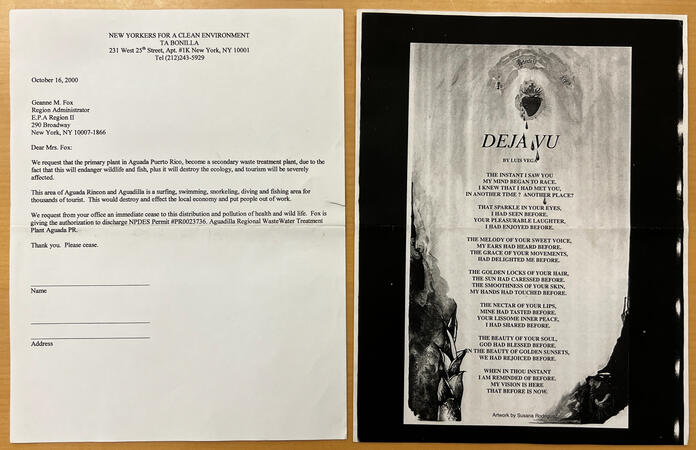
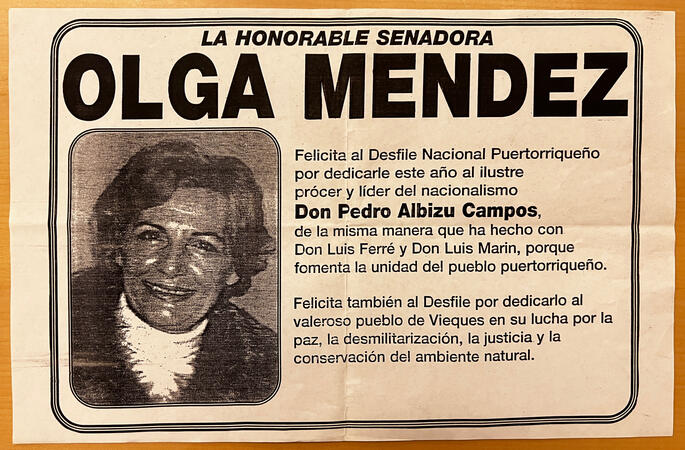
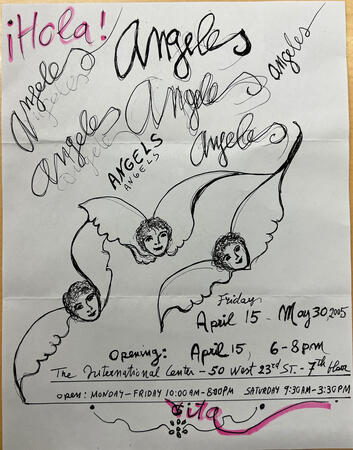
Mario César Romero was an Art Historian, curator, consultant and lecturer, and collector. He was a founder of and participant in various organizations both cultural and political.He was deeply involved in the East Harlem community and a champion of the arts and Puerto Rican artists. He dedicated his life to promoting the history and culture of Puerto Rico in lectures and classes he gave at various universities in New York. His papers reflect his involvement in these areas and contain rare pamphlets, posters, flyers, correspondence with artists, and an impressive collection of photographs.Through these papers, Reyes discovered new artists to research which added to this project.
MARIO CÉSAR ROMERO PAPERS
AMERICANIZATION & OTHER FIRST-HAND ACCOUNTS
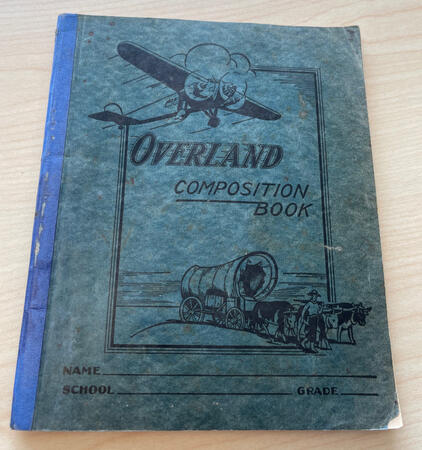
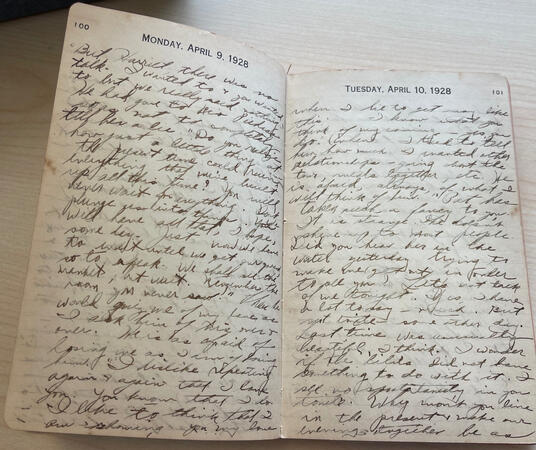
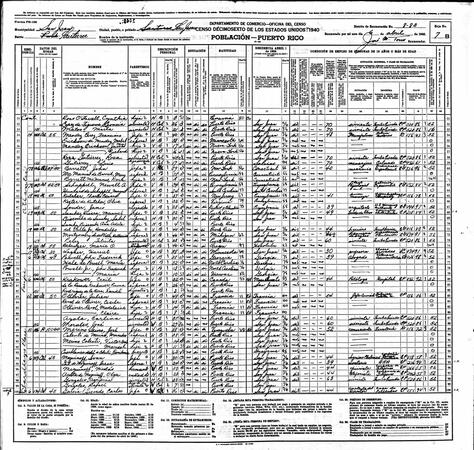
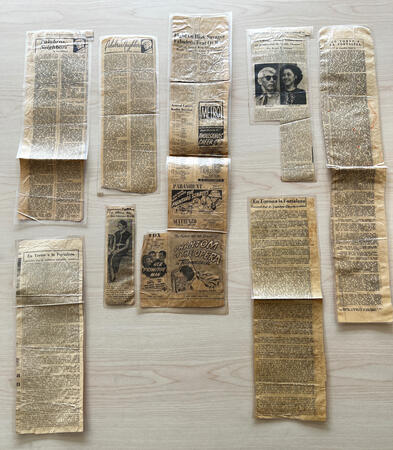
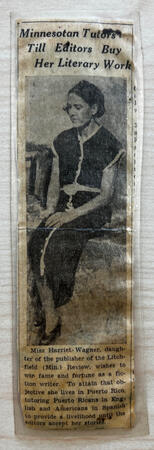
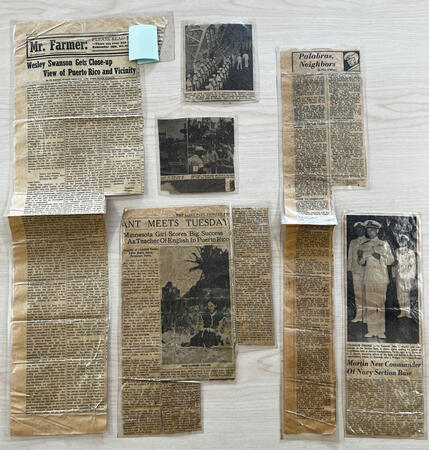
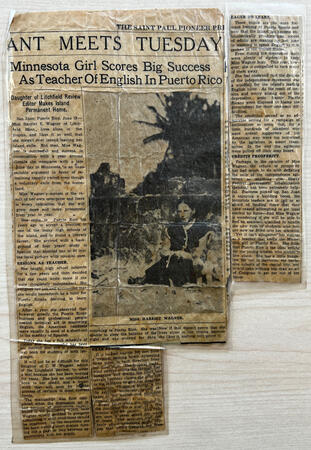
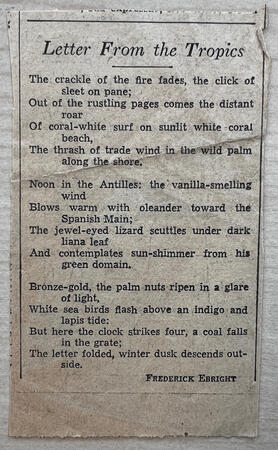
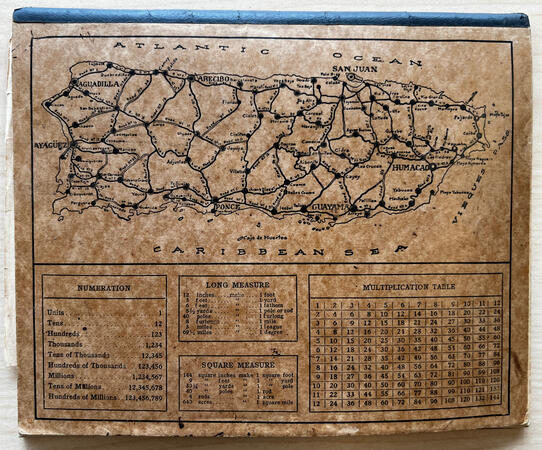
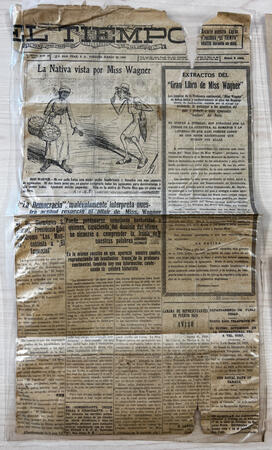
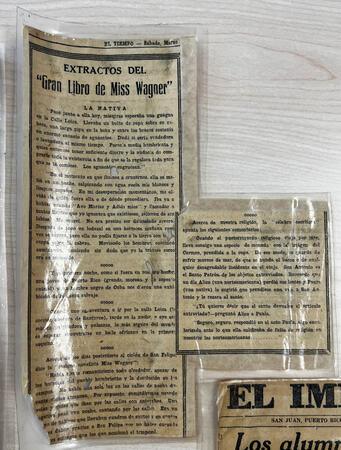
Harriet E. Wagner's diaries are a first hand account of the North American coexistence with native Puerto Ricans. Puerto Rico was a source of inspiration for Wagner. Wagner presents native Puerto Ricans as silhouettes whose customs and behavior are succinctly described. Only some of them acquire their own faces, like Paula, her maid and cook, and Lolín Tormos, the student who made Wagner a "celebrity". In 1929. Wagner shows a certain indifference and arrogance in the face of Puerto Ricans; she complains about the intelligence of her students and she uses the strongest racial epithets against Puerto Ricans. The same indifference prevails with respect to the history and historical events of Puerto Rico. These diaries capture experiences of a white American women during the early period of "Americanization" between 1898 and 1945.Reyes connected early colonial life with the current situation in Puerto Rico. The gentrification happening in East Harlem and Wynwood areas also came to mind. Harriet's racist views and exploitative motives are not unlike the social climate today.
HARRIET E. WAGNER PAPERS
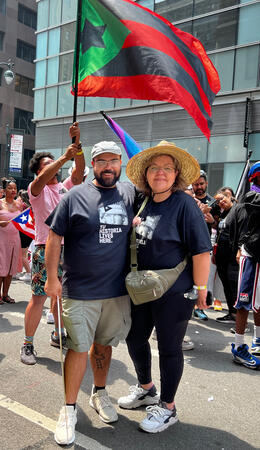
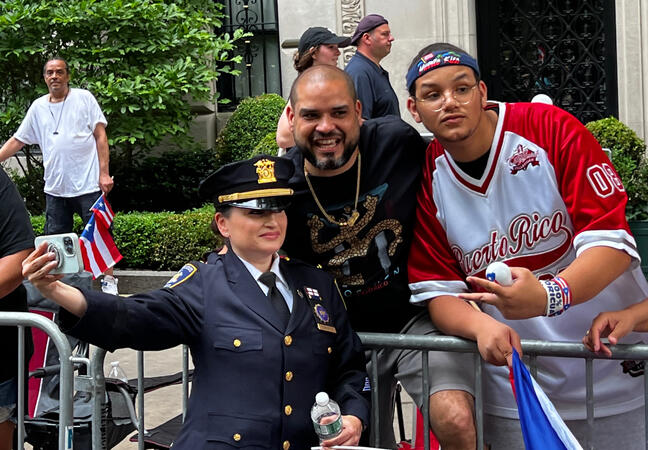
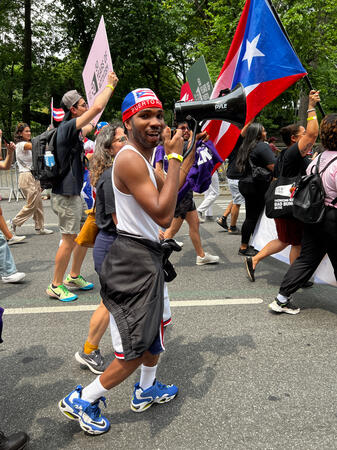
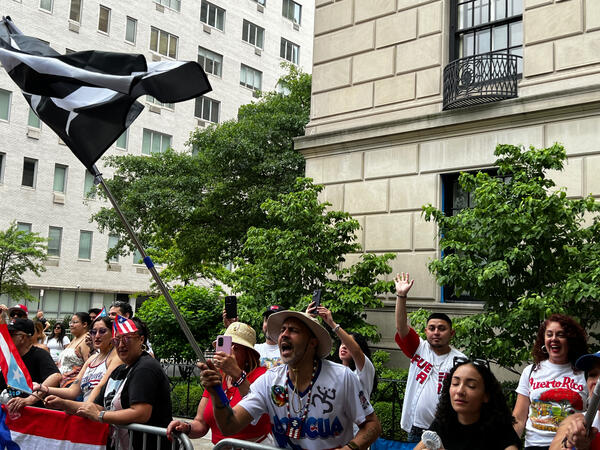
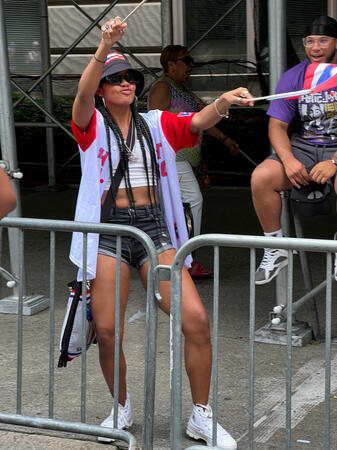
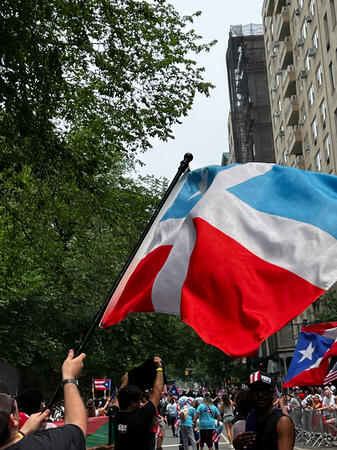
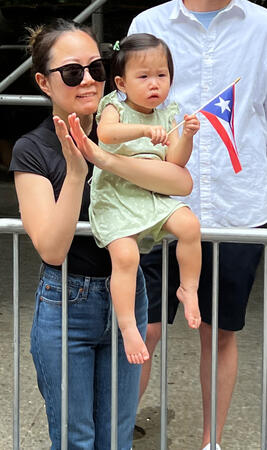
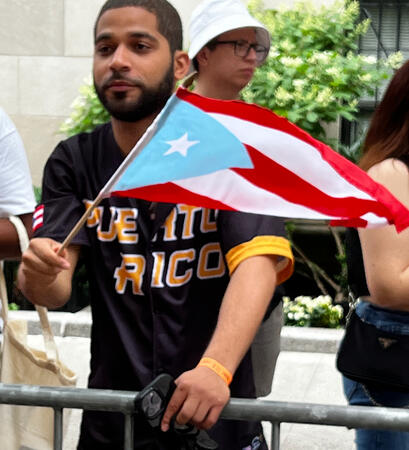
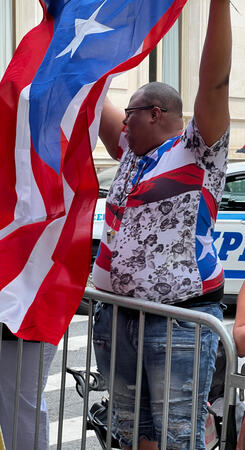
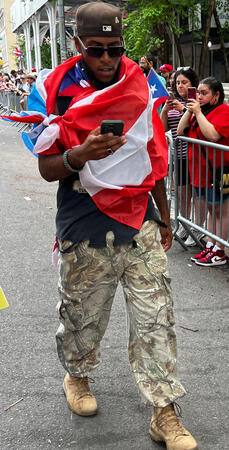
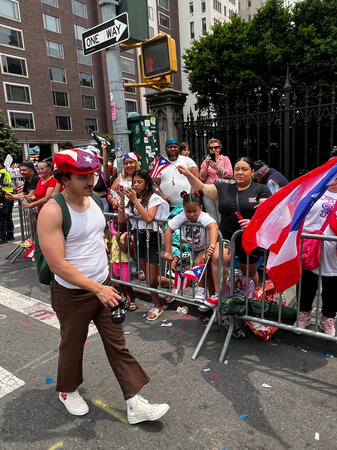
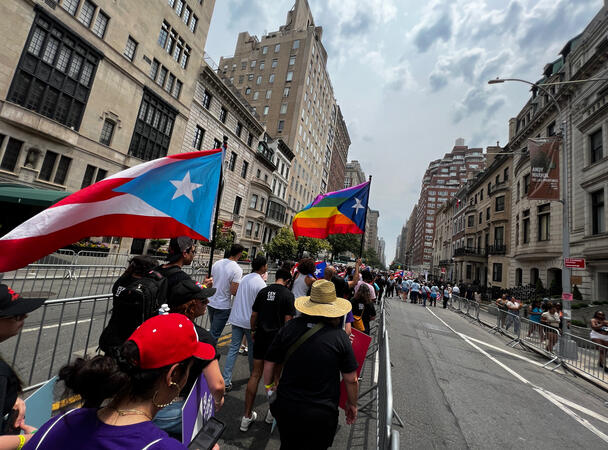
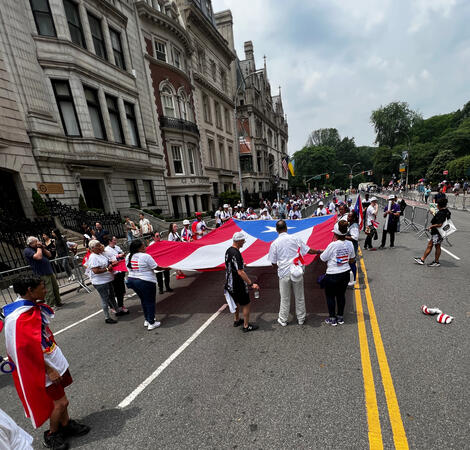
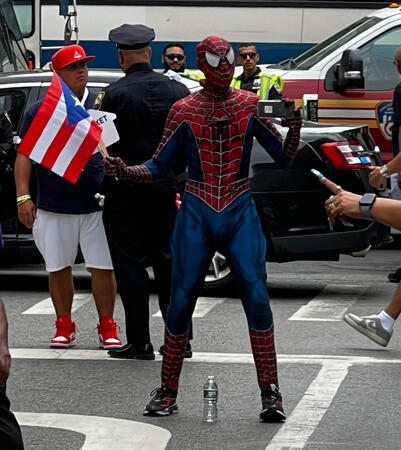
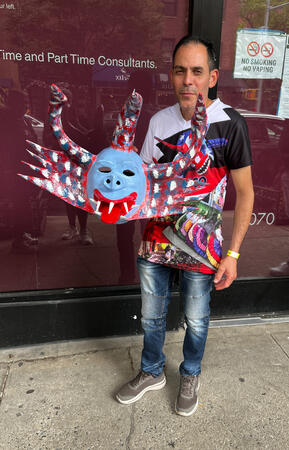
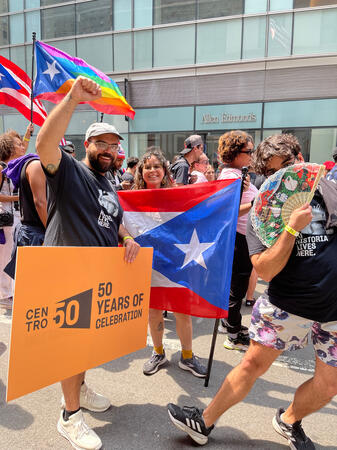
NATIONAL PUERTO RICAN DAY PARADE
June 11, 2023
It is a time to celebrate our diverse culture. To be Puerto Rican is to be revolutionary! It is our chance to put issues faced by Puerto Ricans (on the mainland and on the island) on a national platform and scale.
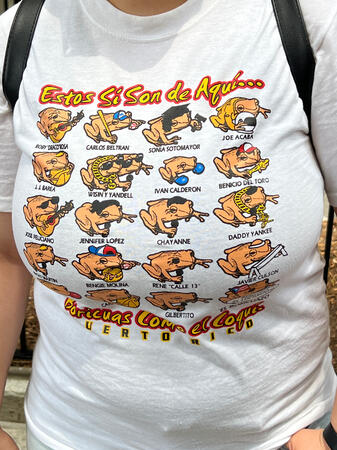
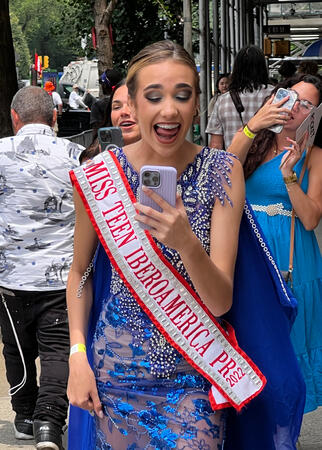
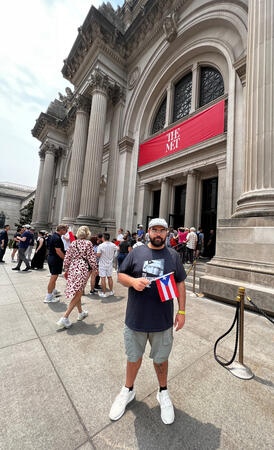
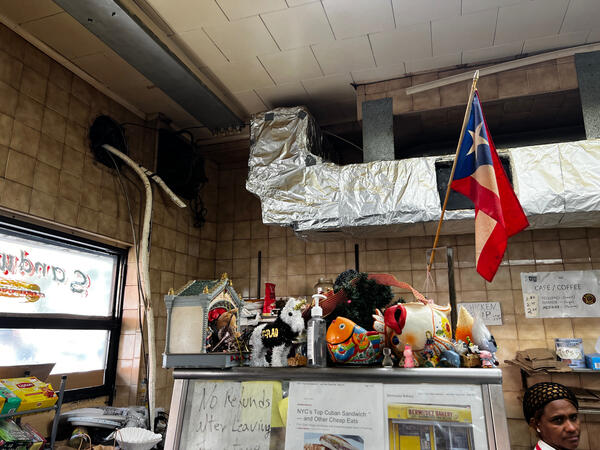
SELECT 2023 NATIONAL PUERTO RICAN DAY PARADE PHOTOS
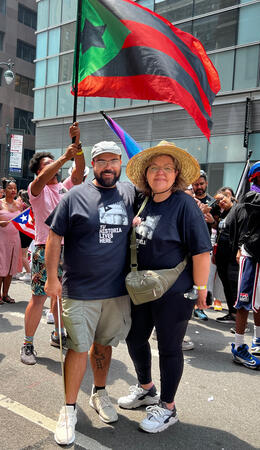
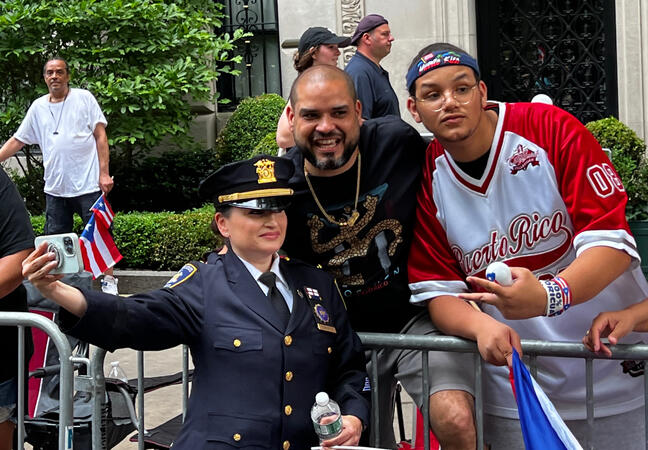
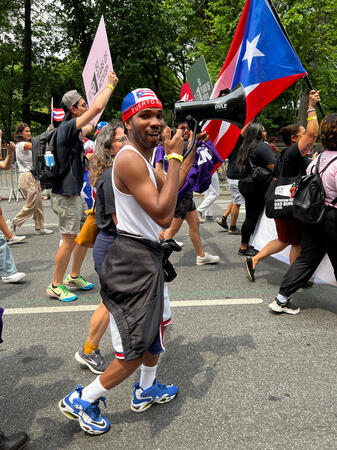
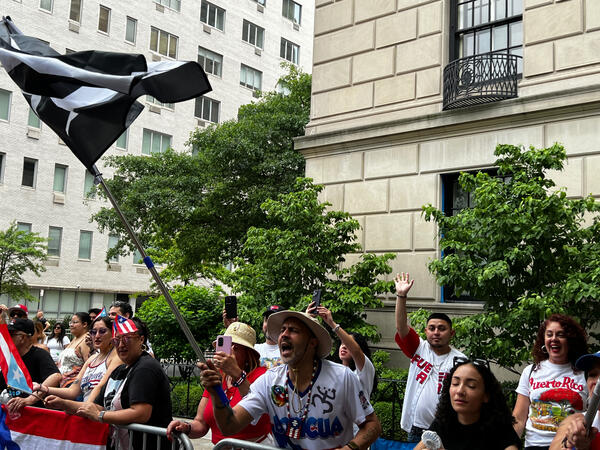
2023 NATIONAL PUERTO RICAN DAY PARADEAll photos were taken by Jacoub Reyes and are copyrighted.
COUNTER ARCHIVING NANA'S APARTMENT
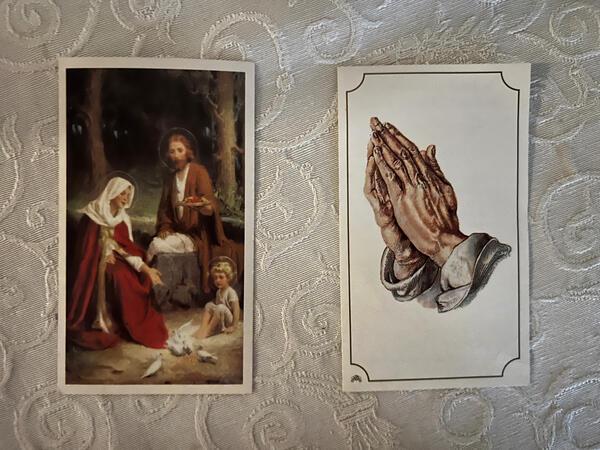
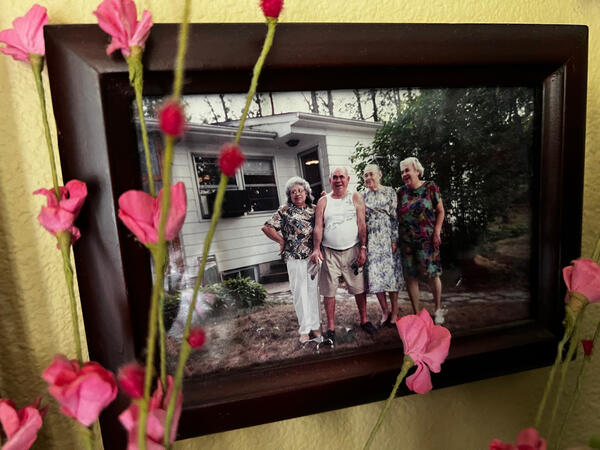
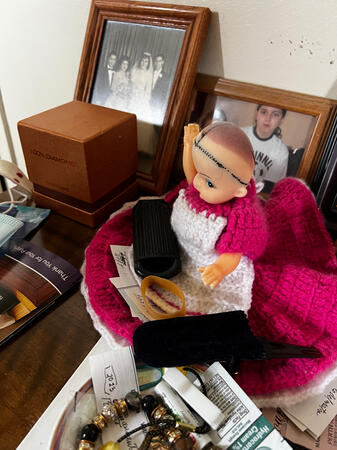
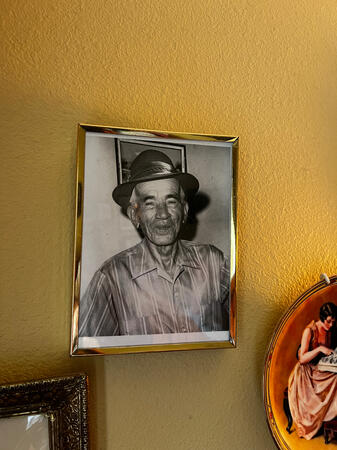
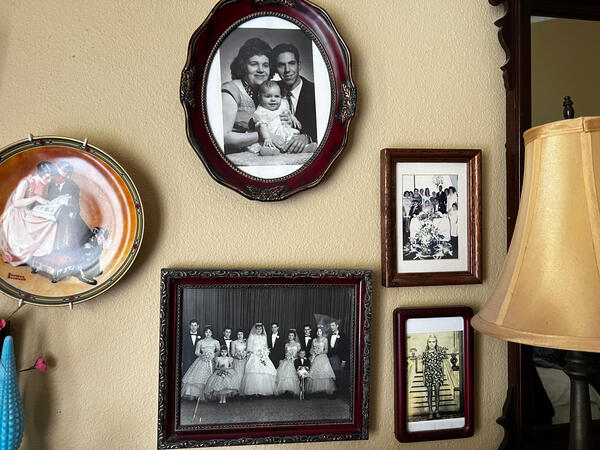
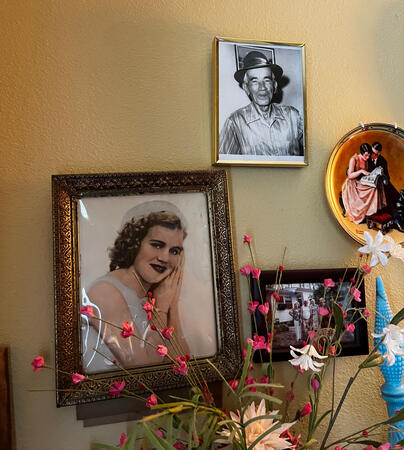
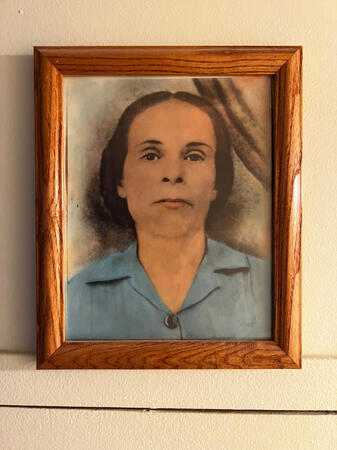
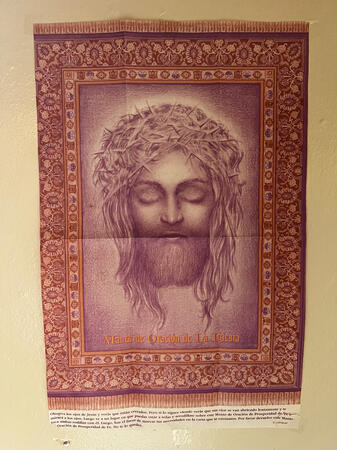
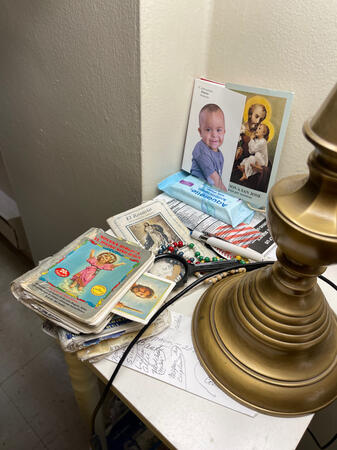
During my time at CENTRO, I had the opportunity to visit my grandmother in New Jersey. I took this time to document family photos and other important things she keeps around her living space.Counter-archiving is more than a process of diversifying conventional archives. This means it is not simply about adding previously erased or hidden histories to an archive, but a method of interrogating the logic of archives.I aim to add for family's experiences and narrative to the growing history of the Puerto Rican diaspora. Here, I offer a place of reflection, connection, and encourage others of shared backgrounds to do the same.